
Our Land
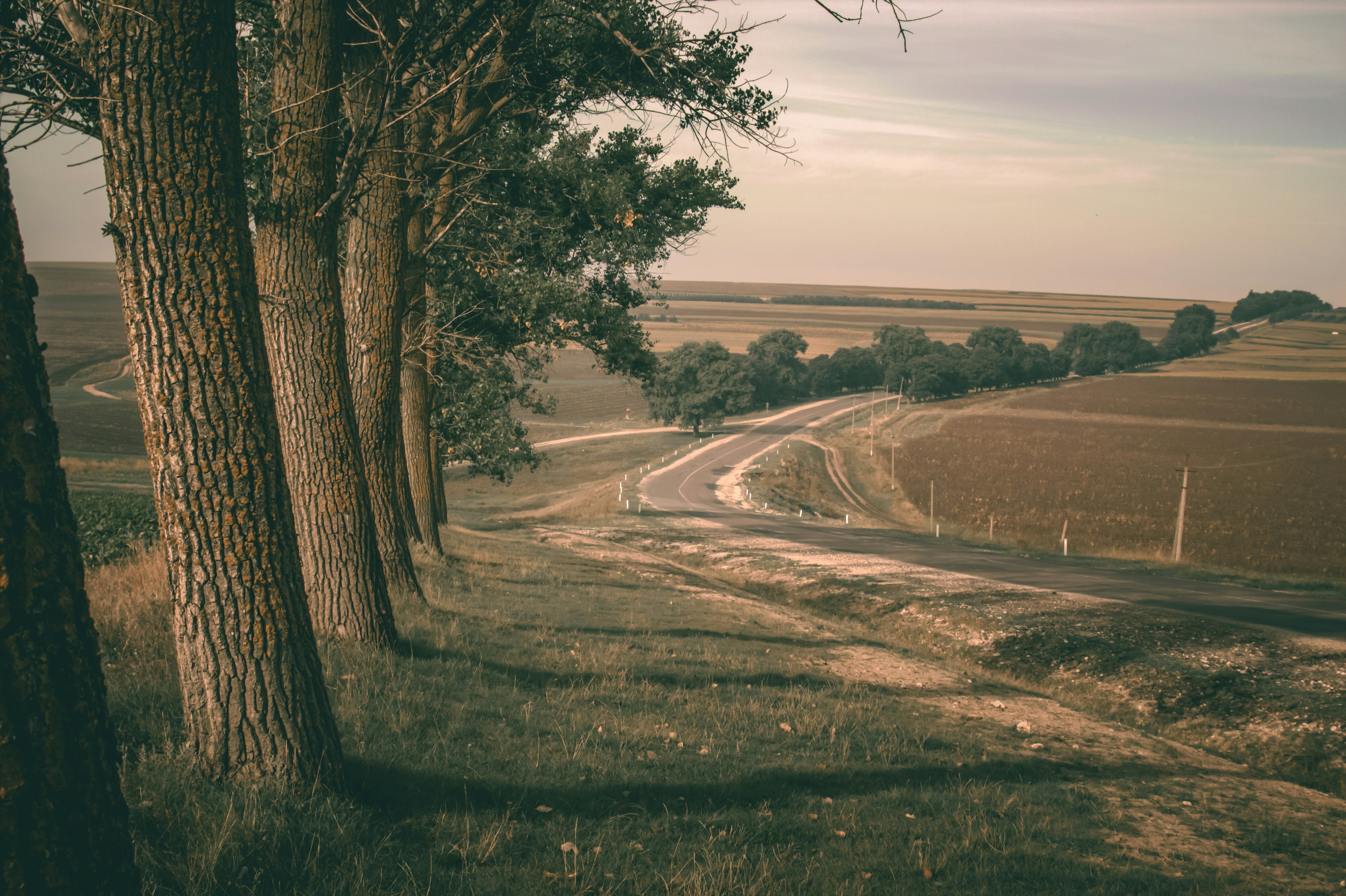
Geography: Rolling hills, vineyards, forests, rivers like Nistru and Prut.
Our land is one of softly rolling hills, fertile black-earth soils, lush vineyard slopes and sheltered forested ridges. It stretches between two great rivers — the Prut and the Nistru — and enjoys a mild continental climate that invites agricultural abundance. Vineyards flourish here, forest corridors shelter wildlife, and every valley tells a story of nature’s generosity.
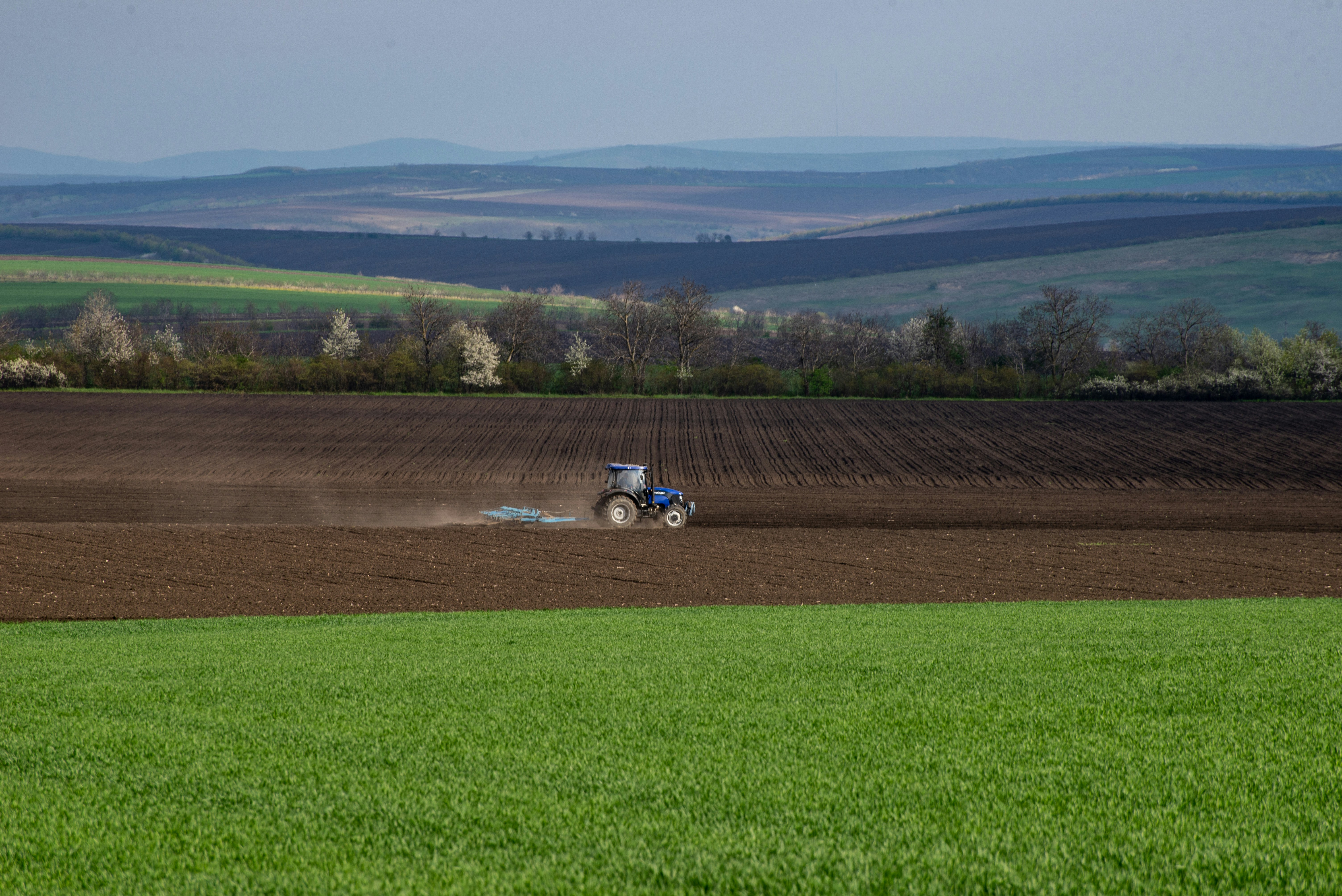
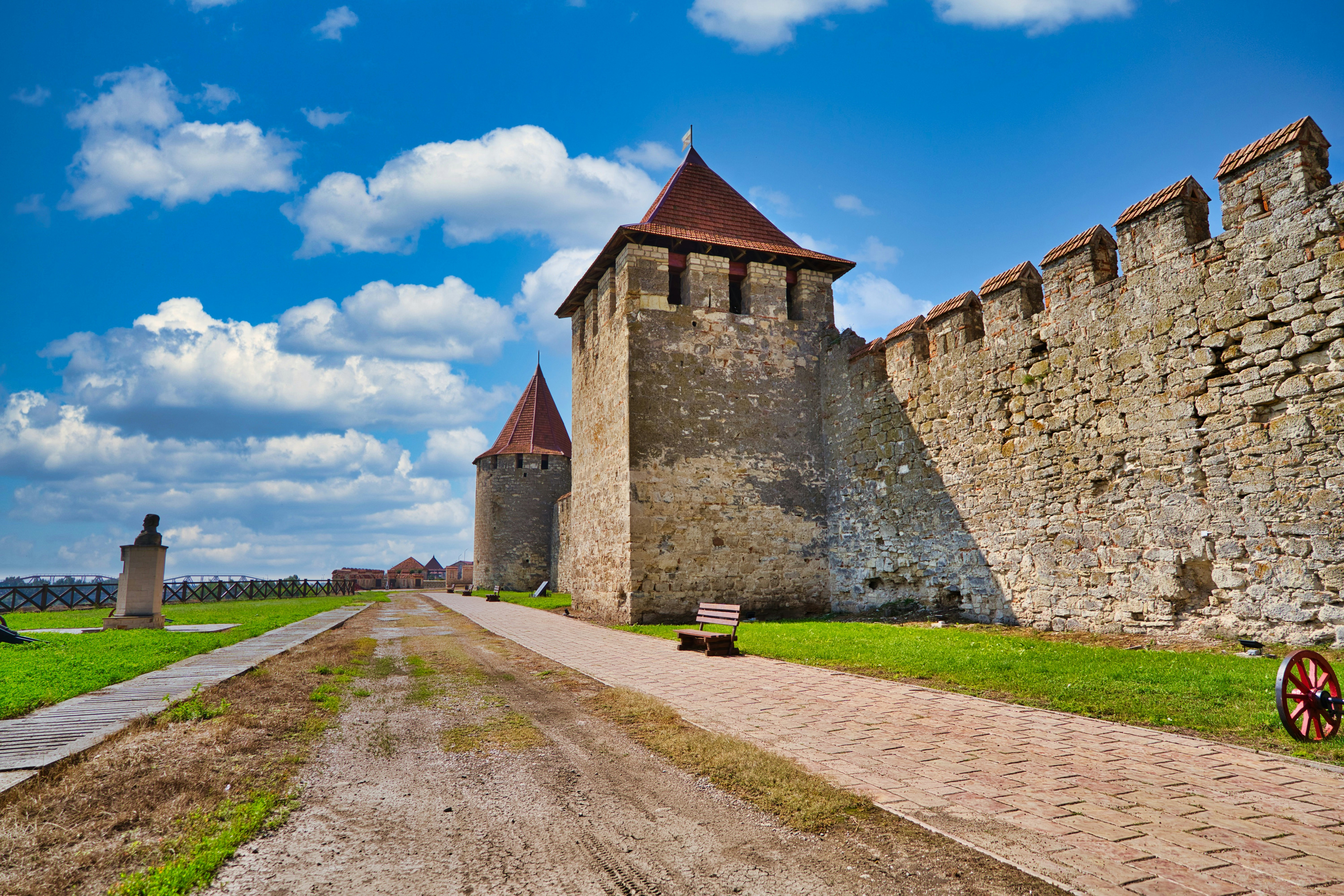
History: Centuries of rich history, monasteries, castles, and villages.
Our land carries the marks of a long and intricate history. From ancient settlement to medieval Moldavian voivodes, from fortress-walls and monasteries high on forested hillsides to quiet villages where tradition still lives, the story of Moldova is written in stone and vine. Château-like ruins gaze out over the hills, centuries-old monasteries speak of faith and endurance, and every village lane seems to whisper of a past both turbulent and proud.
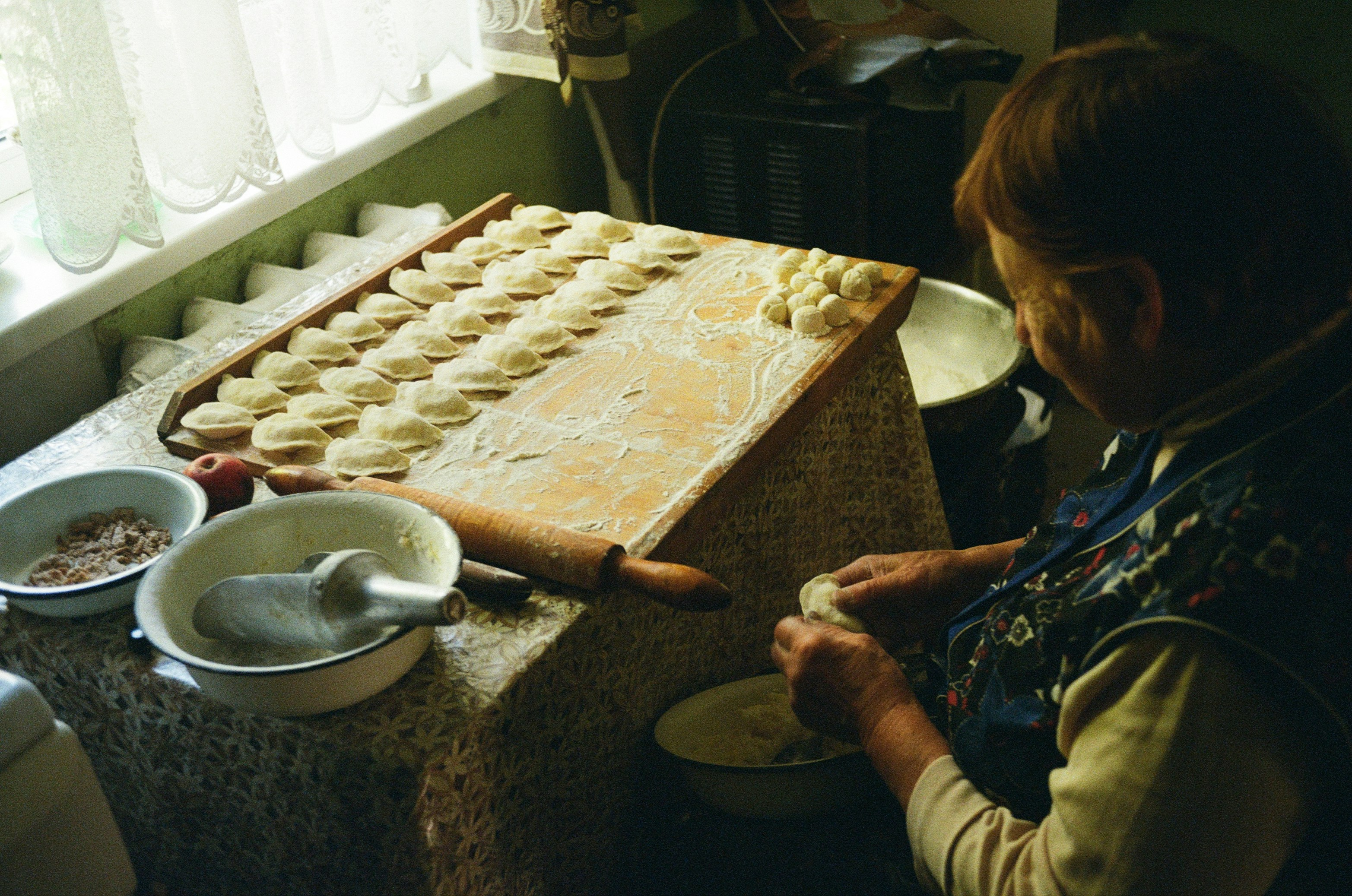
Culture: Traditional music, crafts, festivals, and Moldovan folklore.
Our culture is living heritage: the embroidered ‘ie’ blouse, the hand-woven carpet, the violin that lifts into a dance tune at a village celebration. Traditional music echoes through the hills; festivals celebrate wine, harvest, community and folklore. Craftsmen in clay and loom carry a legacy from centuries past, even as modern creativity and everyday life spark fresh voices. Here, every melody, every stitch, every festival is a story of who we are.
Did You Know?
Geography
- Moldova has some of the most fertile soil in Europe called chernozem — known as “black gold”.
- The country has over 140 wineries located in rolling hills and countryside villages.
- Moldova is home to Codrii, one of the oldest forests in Eastern Europe.
- There are more than 3,000 rivers and streams across the country.
- The Nistru River forms part of Moldova’s natural border and is popular for kayaking and fishing.
History
- Moldova has been inhabited since the Stone Age.
- Stephen the Great ruled for 47 years and built over 40 churches and monasteries.
- Moldova sat on a major medieval trade route between Europe and Asia.
- Soroca Fortress is a medieval stone citadel overlooking the Nistru River.
- Orheiul Vechi contains ancient Geto-Dacian ruins and cave monasteries carved into cliffs.
Culture
- Moldova is considered one of Europe's oldest wine-making regions — over 5,000 years of tradition.
- Moldovan folk dance and music are part of UNESCO cultural heritage.
- The traditional embroidered blouse called ie is still worn at festivals and celebrations.
- Moldova celebrates National Wine Day every October.
- Guests are traditionally welcomed with bread and salt — a symbol of respect and hospitality.